
Five reviewable steps
A five-step route for comparing project inputs and versions together
This page organizes existing process artwork into five discussion steps without stating a duration, equipment detail or technical condition without a verified record.
Before you contact us
This page combines existing process illustrations with source-observed factory context to structure a project review, not to promise a fixed operating scope.
Relevant teams
- Project teams
- Quality and operations teams
- Technical buyers
Information to prepare
- Required project stages
- Sample and material approvals
- Inspection responsibilities
- Records and handover scope
Related information
Mark the known approval inputs and ask which steps and records apply to the proposed project.
Submit a project inquiryWhat belongs in a comparable project brief before work is discussed?
Before moving ahead, record intended use, the reference sample and open points in one shared brief.
- Intended use
- Reference sample
- Open points
How can a team keep material and artwork versions aligned?
The process artwork supports an ordered discussion, while materials and artwork must always be compared against the correct project version.
- Discussion sequence
- Material version
- Shared artwork
What should be compared with the agreed record before handover review?
The final step returns to the agreed sample and records so the team can note what was reviewed and what needs another confirmation.
- Agreed sample
- Project records
- Changes to confirm
Prepare and compare an aerosol project process
Use five steps to organize discussion material from requirements through handover comparison with the existing process artwork.
Before you begin
- A written project brief
- A reference sample or material for comparison
- Designated roles responsible for confirming each version
Clarify requirements
Record intended use, the reference material and points to confirm before arranging the work.
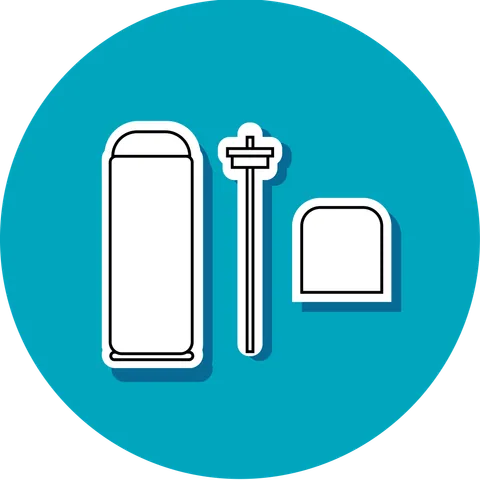
Compare sample and packaging
Place the sample, packaging and review points in one discussion version.
Record materials and artwork
List the materials and artwork under discussion to avoid mixing versions.
Track review points
Record review points for the project scope instead of inferring requirements from imagery.
Compare handover
Compare the handover with the agreed sample and records, then record changes that need confirmation.
Final verification method
Compare every step with the shared sample version and project record before moving to the next discussion.
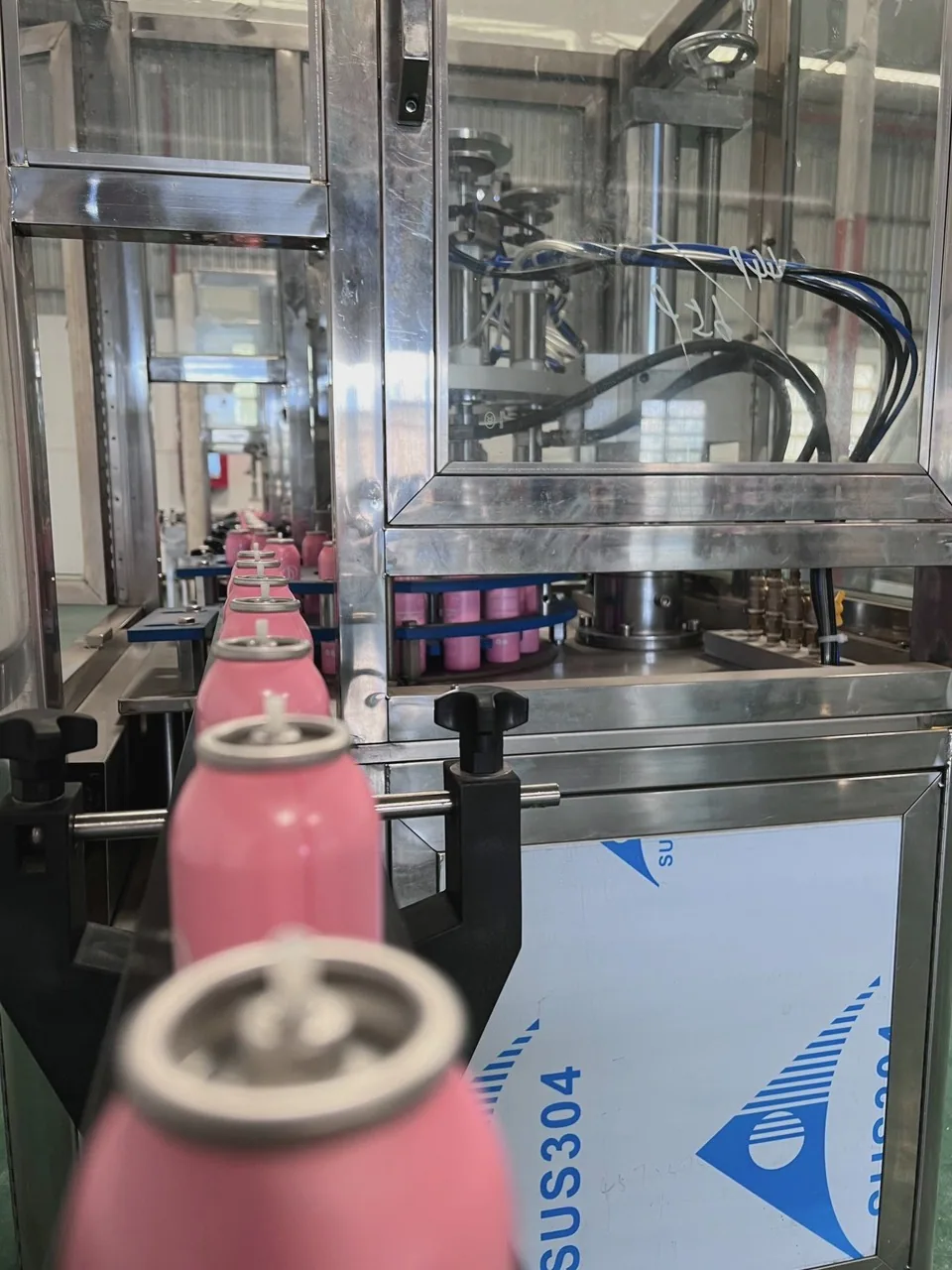
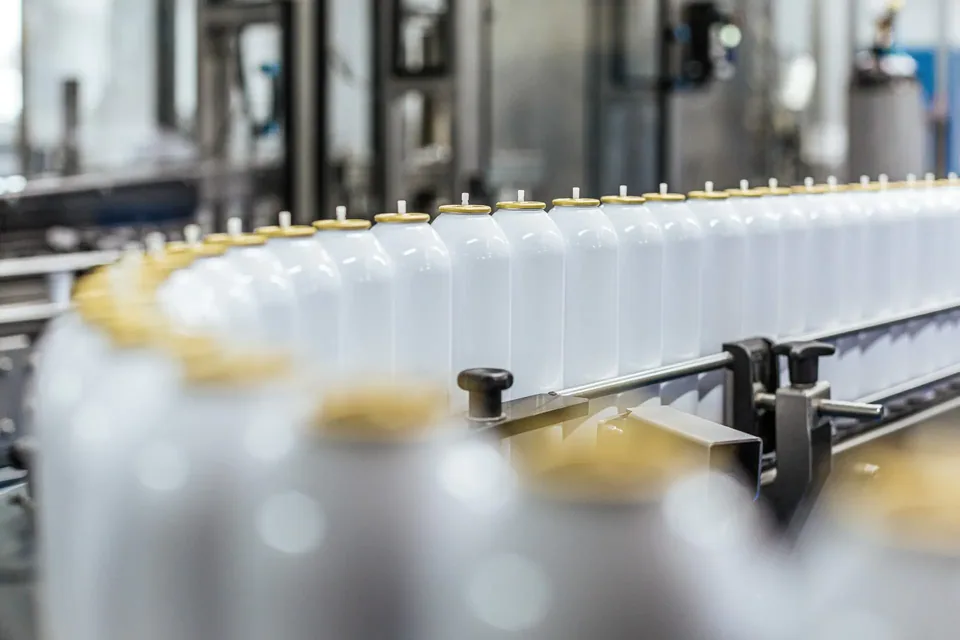
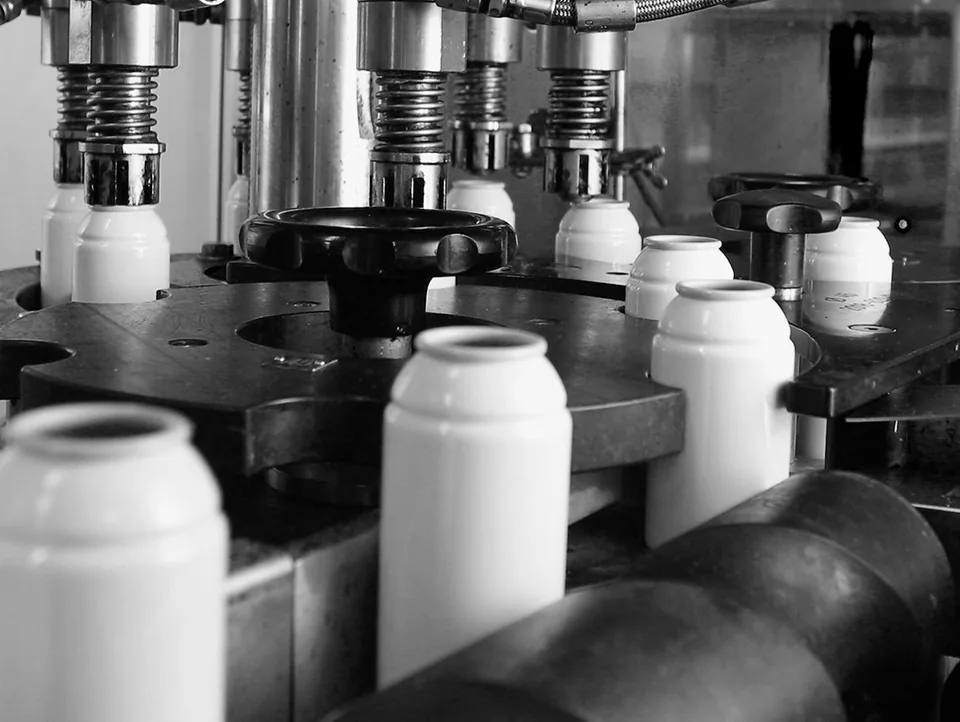
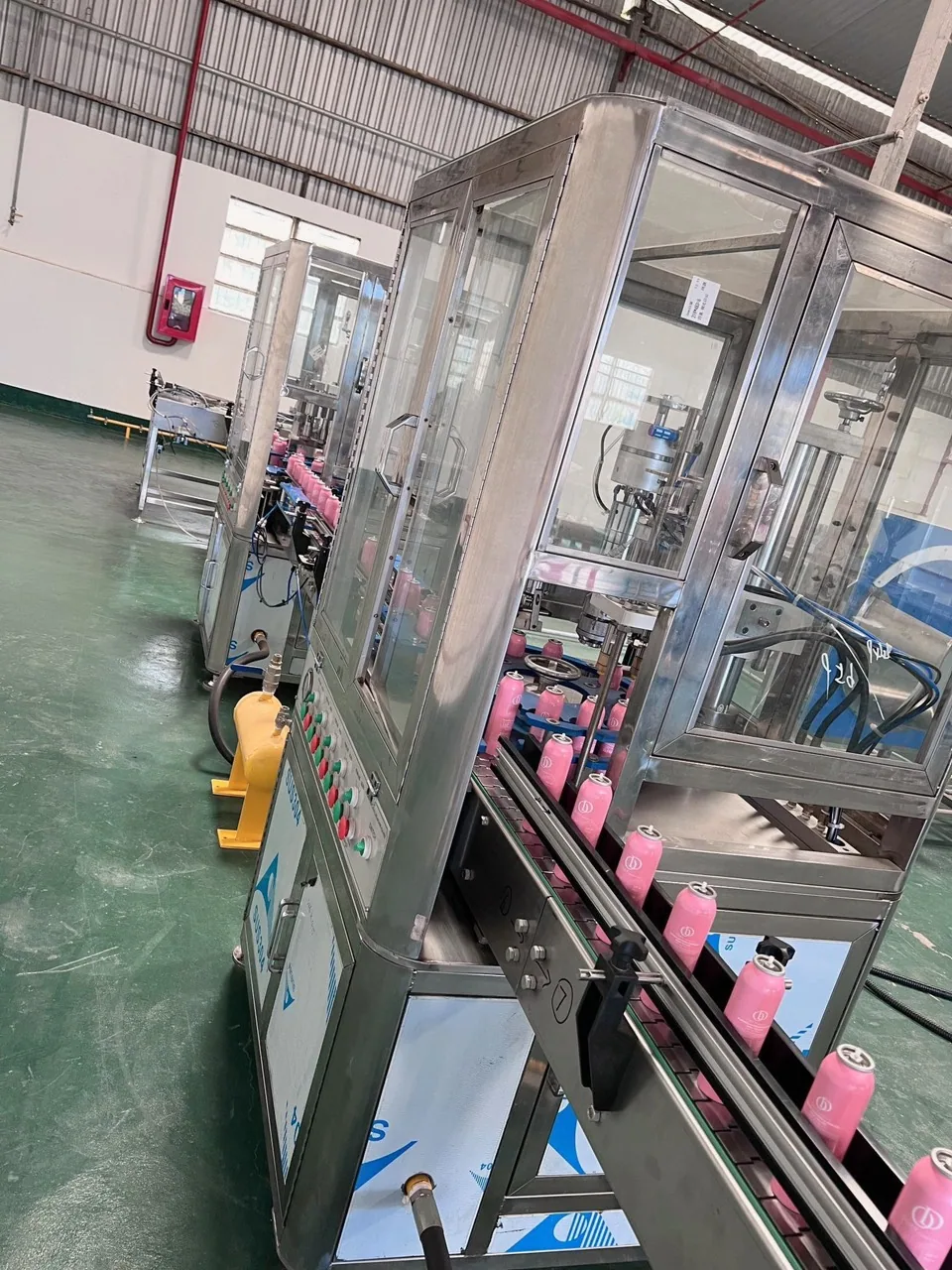
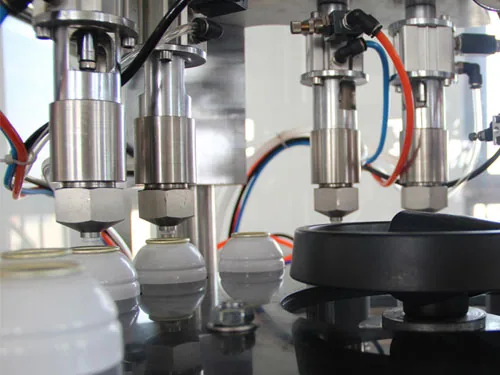
Production context in source images
The four images show separate observed production scenes; they do not represent the five-step sequence or prove any project capability, configuration, timing or result.
Request a quote
Share five starting inputs so the team can frame the next discussion. The information will be submitted for follow-up about the project inquiry.
The information is used only to discuss the project inquiry.